The King Boat Festival is one of the most important religious traditions in southern Taiwan, especially in Pingtung County. Among the many Wang Ye festivals, the most well-known are the Donggang King Boat Festival, Xiaoliuqiu King Boat Festival, and Nanzhou King Boat Festival. Although all three festivals are rooted in the same belief system of worshipping Wang Ye, or divine lords who patrol the human world on behalf of heaven, each festival has developed its own unique identity through differences in history, scale, ritual style, and local culture.
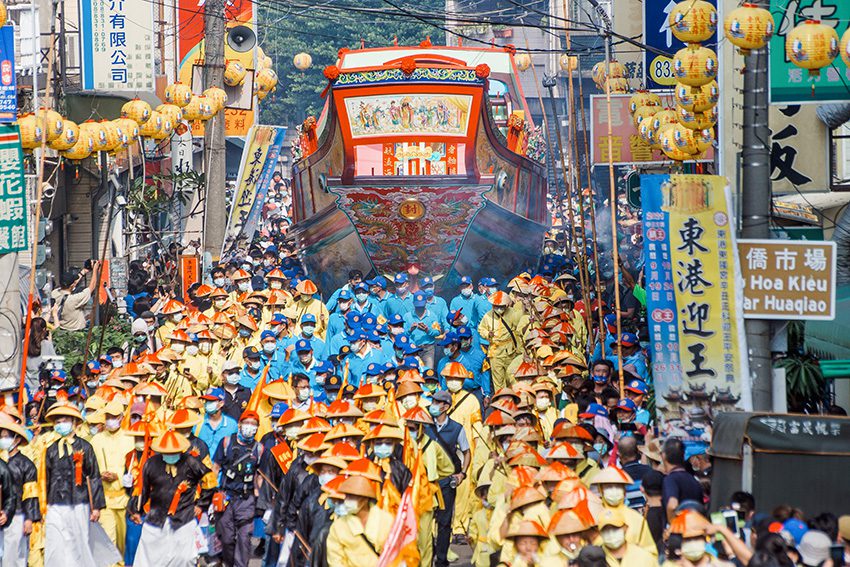
First, the Donggang King Boat Festival is the largest and most representative of the three. It is organized by Donglong Temple in Donggang Township and is held every three years. Its history dates back hundreds of years and is closely connected to Donggang’s fishing culture and immigrant traditions. The festival is famous for its detailed and grand ceremonial process, including welcoming the gods, street parades, boat relocation rituals, and the final king boat burning ceremony. The burning of the king boat is the highlight of the event, symbolizing the removal of disasters, diseases, and bad fortune. With its large crowds, elaborate rituals, and strong media attention, Donggang is often considered the symbolic center of Taiwan’s King Boat culture.
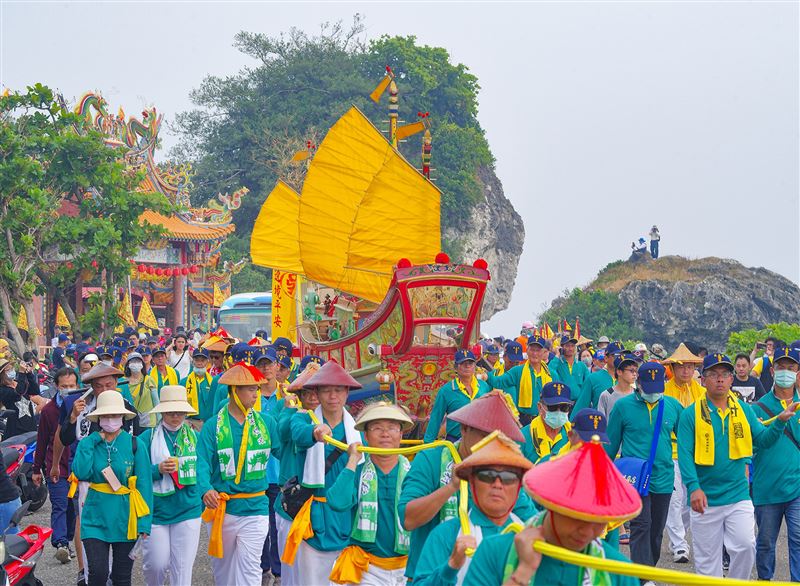
In comparison, the Xiaoliuqiu King Boat Festival carries a distinct island atmosphere. Xiaoliuqiu is a small coral island located off the coast of Pingtung, where fishing and tourism are the main industries. The festival is organized by local temples such as Sanlong Temple and shares similar rituals, including welcoming and sending off the Wang Lords. However, due to the island’s smaller size and population, the scale of the festival is more intimate than Donggang’s. The community is highly involved, creating a strong sense of unity and local participation. In addition, the festival is often combined with the island’s beautiful ocean scenery, allowing visitors to experience both religious traditions and coastal tourism at the same time.
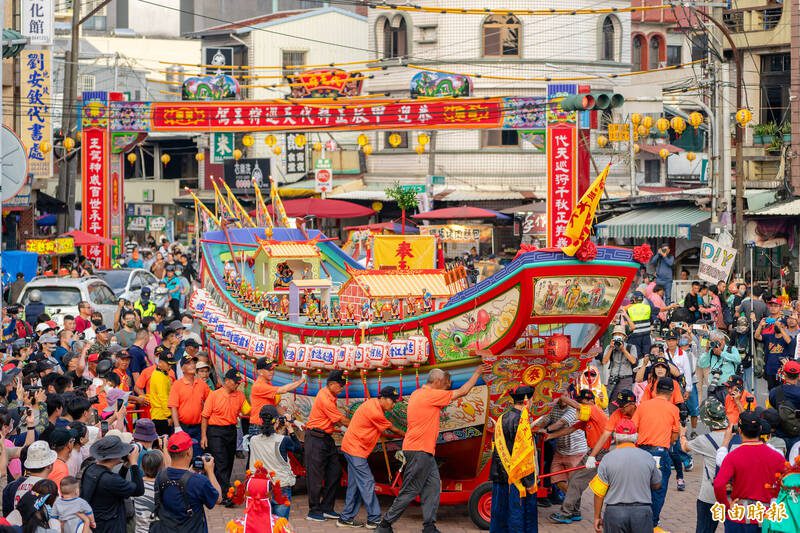
Meanwhile, the Nanzhou King Boat Festival is less internationally famous but still highly significant within local religious culture. It is hosted by Xibei Daitian Temple in Nanzhou Township. The scale of Nanzhou’s festival is between Donggang and Xiaoliuqiu. Compared with Donggang’s large and tourist-oriented atmosphere, Nanzhou is more traditional and less commercialized. Most participants are local residents or devoted worshippers familiar with Wang Ye culture, which gives the festival a more solemn and authentic religious atmosphere. Although Nanzhou also includes the construction and burning of a king boat, the pace is calmer and less crowded, making it more suitable for those who want to deeply understand the spiritual meaning behind the rituals.
From a cultural perspective, all three festivals share the same spiritual purpose: inviting Wang Lords to inspect the community, bless residents, and remove evil spirits or disasters. However, their identities differ significantly. Donggang is best known as a large-scale cultural event with strong tourism appeal and national recognition. Xiaoliuqiu combines religious practices with island culture and tourism, offering a more relaxed and scenic experience. Nanzhou, on the other hand, remains closer to the traditional roots of Wang Ye worship, preserving a stronger sense of sacredness and local authenticity.
In terms of visitor experience, people who enjoy large crowds, spectacular ceremonies, and energetic celebrations may prefer the Donggang King Boat Festival. Those interested in ocean views, island culture, and a more community-oriented atmosphere may find Xiaoliuqiu more appealing. For visitors who wish to explore traditional religious customs in a quieter and more respectful setting, Nanzhou is often the better choice.
Overall, although Donggang, Xiaoliuqiu, and Nanzhou King Boat Festivals all belong to Taiwan’s broader King Boat tradition, each has developed unique characteristics shaped by geography, local history, and community lifestyle. Together, these three festivals demonstrate the richness and diversity of southern Taiwan’s folk religion, transforming the King Boat Festival from a simple ritual into an important symbol of cultural identity and heritage preservation. Through comparing these festivals, people can gain a deeper understanding of Taiwanese religious traditions and appreciate how one cultural practice can evolve differently across local communities.